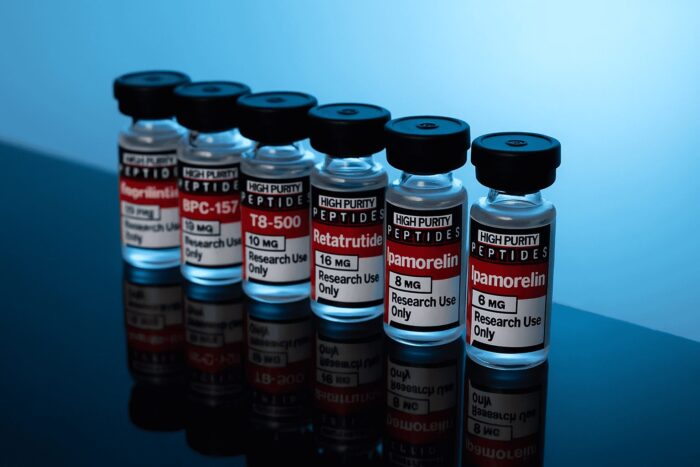
Peptide Purity Decision Innovative Peptides-peptide Medication Discovery
Peptide Purity & Quantitation Testing
Pinnacle Lab is a specialized supplier of high-purity chemical reagents and peptides. All products provided are purely for in-vitro lab research and development utilize just. Check out flagship research peptides with batch-specific COA paperwork and HPLC/MS verification. Products are for in-vitro lab study usage just and are not for human usage.Finally, understanding peptide purity degrees and qualities aids you make informed choices for your experiments. A peptide's pureness portion informs you just how much of that example is the real deal versus byproducts, with typical study grades being around 95% as much as 98-99% for added purity. Analytical HPLC and MS are your close friends right here-- HPLC evaluates pureness, and MS confirms identification, together guaranteeing you understand what remains in your tube.
Why Peptide Chemical & Physical Analyses Matter In Real Tasks
- The launch procedure of peptide formulas is complex, and an absence of scientific data hinders growth.
- Throughout the discovery, we utilize RP-HPLC incorporated with MS to establish the molecular weight of the peptide.
- This process is vital for maintaining high peptide high quality due to the fact that the peptide market is greatly uncontrolled in many locations, and without validation some vendors might offer unclean, mislabeled, or perhaps counterfeit peptides [3]
- Choosing the best external laboratory for peptide screening entails assessing several factors.
- Desalted peptides function well for ELISA covering, some cell-based assays, and applications where modest pureness is acceptable.
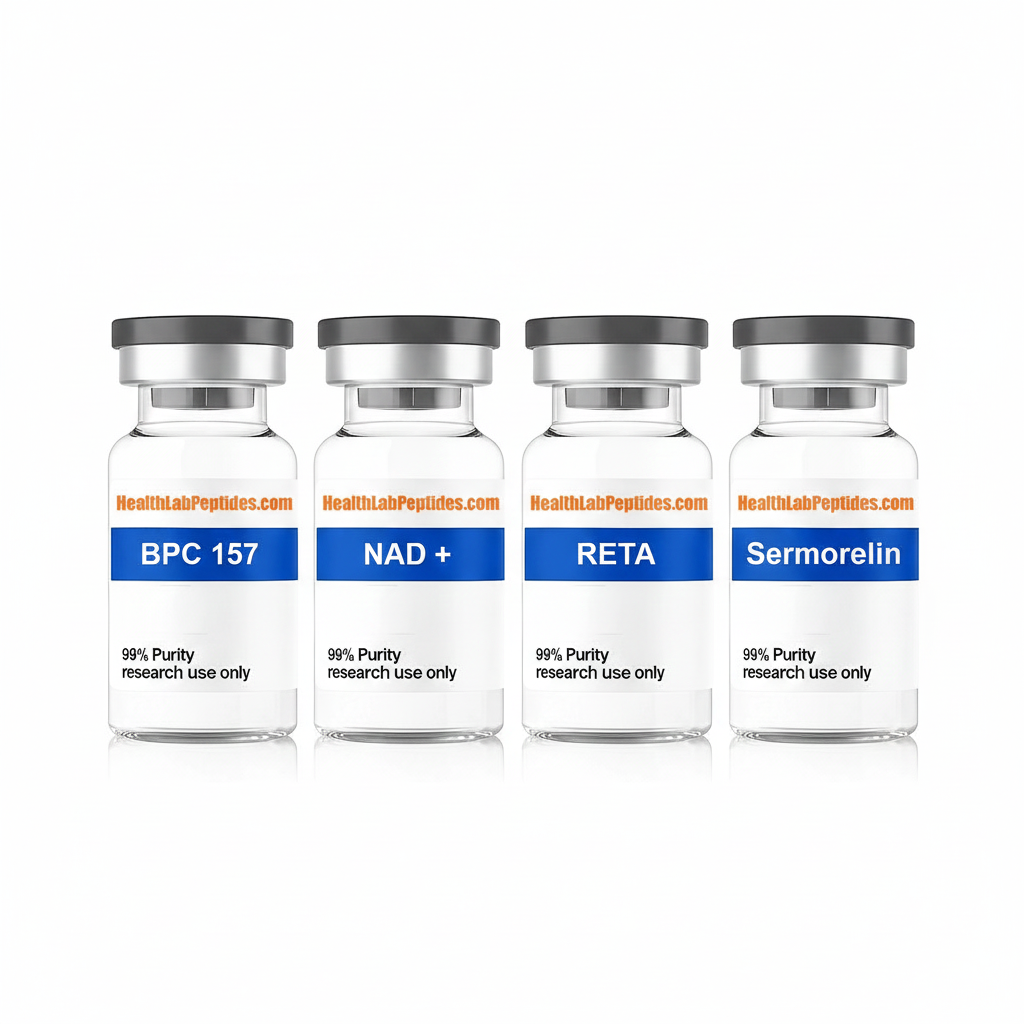
Respectable peptide suppliers always mark their products this way and give high quality records with HPLC and MS information to support the pureness level. As long as you get peptides from a relied on source that offers a total certificate of analysis, you can be positive in the peptide's purity quality and use extent. Peptides are checked via a combination of techniques, consisting of HPLC for purity, mass spectrometry (MS) for sequence verification, and nuclear magnetic resonance (NMR) for architectural analysis. These approaches assist identify the peptide's structure, verify the molecular weight, and detect any structural changes or pollutants, making certain the peptide fulfills quality and spec needs. With our detailed peptide analysis system, Imaginative Proteomics has established an extremely Pharma Grade regenerative peptides sensitive and specialized platform.
Recap: What A Research-grade Coa Ought To Consist Of
Explore our magazine to view validated research substances and learn more concerning our screening and quality control procedure. Even small pollutants can change outcomes, lower reproducibility, or introduce undesirable variables into a study. Scientists depend on precise, verified compounds to guarantee their searchings for are both valid and constant.
Why Should Researchers Demand Third-party Recognition?
Imaginative Peptides proposes a series of various purity levels to help you select the right peptide purity for peptide-based assays and applications. The following listing shows the suggested peptide purity levels needed for different peptide applications. Peptide identification is mainly performed utilizing mass spectrometry (MS), which gives precise dimensions of peptide molecular weight. In addition, methods such as amino acid analysis and HPLC are utilized to confirm the peptide's identity and pureness, making certain exact characterization for different applications. We provide peptide identity confirmation making use of mass-based techniques picked for the sample and analytical objective. This is essential when the major concern is whether the observed part matches the intended peptide or whether an adjustment has actually been incorporated as expected.
Peptide testing is the collection of analytical checks utilized to examine a peptide sample prior to it is used in a research operations. In functional COA evaluation, the term normally describes pureness screening, identification testing, and documentation testimonial. Purity testing asks just how much of the identified sample is the major peptide versus related pollutants. Identity testing asks whether the determined mass or sequence-related evidence matches the designated peptide. Documents testimonial asks whether the record is batch-specific, deducible, and described sufficient to be examined. Peptide testing is the analytical procedure made use of to confirm that a research study peptide is both pure and appropriately identified. Trusted peptide testing laboratories will use a suite of modern-day analytical techniques-- HPLC coupled with MS is a must, and availability of added techniques like capillary electrophoresis or amino acid evaluation is a perk. Be careful of labs that do not use mass spectrometry together with HPLC, as this could miss vital identification details. Likewise, avoid laboratories that can not show validated analytical approaches. In line with ICH guidelines, confirmed methods suggest the laboratory has developed the examination's accuracy, precision, detection limitations, and so on, ensuring the information you get are dependable.